
The Most Common Pests That Require Fumigation
People searching for pest fumigation are typically aiming to eliminate common pests like termites, bed bugs, or rodents, and local service providers can effectively handle these infestations.
If you’ve recently encountered signs of pests or are simply looking to prevent future infestations, understanding the most common pests that require fumigation can be a helpful first step. Property owners in the area often explore this topic to protect their homes and businesses from damage and health concerns associated with pests such as termites, bed bugs, and certain types of rodents. Recognizing which pests are most likely to invade can guide decisions about when professional fumigation services might be necessary, ensuring that any problem is addressed thoroughly and efficiently.
Local contractors who specialize in pest fumigation are equipped to handle these common invaders, offering targeted solutions to eliminate pests and prevent their return. Whether dealing with persistent bed bugs or subterranean termites, connecting with experienced service providers can make a significant difference in maintaining a safe, pest-free environment. Keep reading to learn more about these pests and discover how local pros can help safeguard your property against them.
- Termite infestations - when signs of wood damage or mud tubes appear, local contractors can perform fumigation to eliminate these persistent pests.
- Bed bugs - in cases of widespread bed bug presence, local service providers utilize fumigation methods to ensure complete eradication.
- Wood-boring beetles - when these pests damage furniture or structural wood, local pros can conduct targeted fumigation treatments.
- Fleas and mites - infestations in homes or commercial spaces may require fumigation from local experts to effectively control these pests.
- Roaches - severe cockroach problems often necessitate fumigation services provided by local contractors to restore pest-free environments.
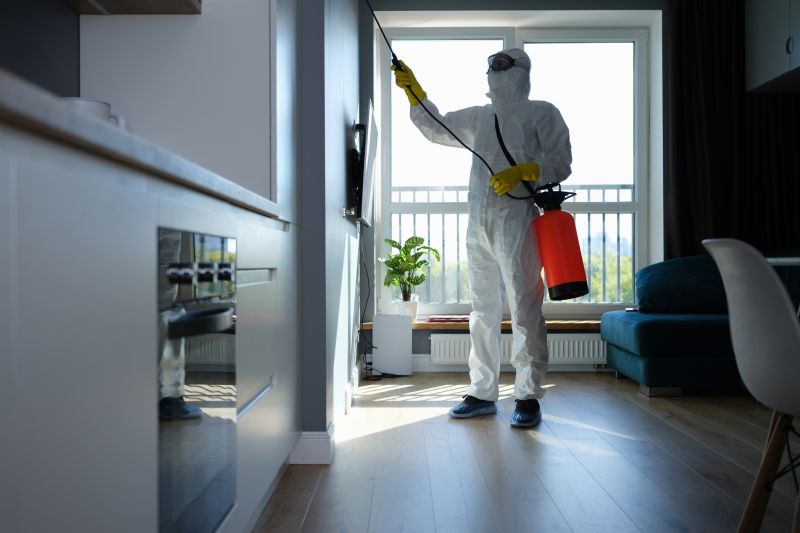
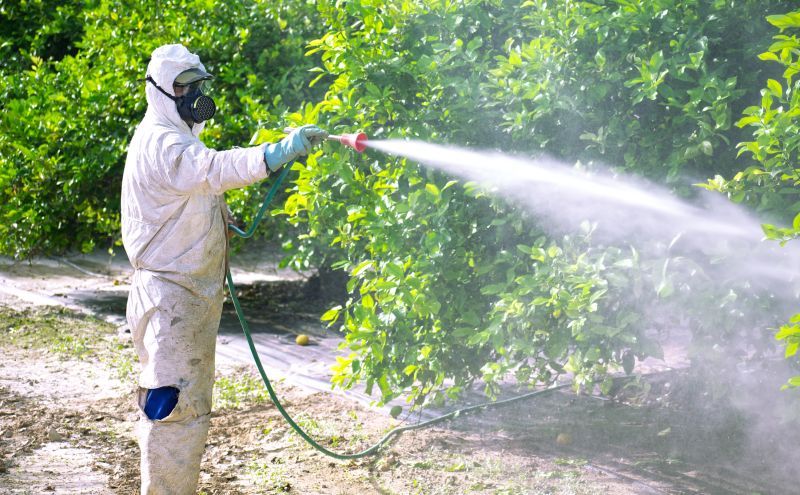
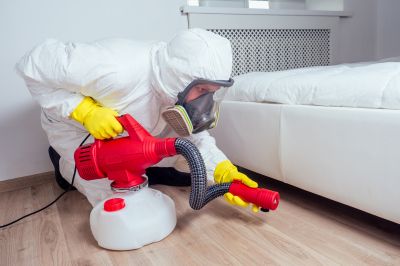
When people search for information about the most common pests that require fumigation, they often do so because they are experiencing or concerned about a serious pest infestation. These pests typically invade residential or commercial properties in large numbers, causing damage, health issues, or simply creating an uncomfortable environment. Homeowners might be facing persistent problems with pests that have become difficult to control through standard methods, prompting them to consider fumigation as a comprehensive solution. The search indicates a need for effective elimination strategies to restore safety and comfort within the property.
This topic relates closely to planning for pest control projects that involve significant infestations. Fumigation is often considered when pests have spread extensively, making other treatment options less effective or impractical. It is also a common step in preparing for property sales or renovations, especially if previous pest issues have been identified. Homeowners and property managers seek out this information to understand which pests are most likely to require such treatment, how serious the infestations might be, and what kind of property damage or health risks could be involved. Knowing which pests are typically targeted by fumigation helps in making informed decisions about when to involve professional service providers.
The types of properties that frequently encounter these pests include single-family homes, apartment complexes, warehouses, and commercial buildings like restaurants or grocery stores. These structures often provide ideal environments for pests to thrive, especially if there are accessible food sources, water, or shelter. Homes with wooden structures, moisture issues, or cluttered spaces are particularly vulnerable. Commercial properties that handle food or have storage areas may also be at higher risk. Recognizing the property types most affected by these pests can help homeowners and managers understand the importance of timely intervention and the role that local fumigation service providers play in resolving infestations efficiently.
Understanding the most common pests that require fumigation connects directly to real-world projects by highlighting the importance of professional intervention. Local service providers are equipped to handle infestations of pests such as termites, bed bugs, cockroaches, and certain types of beetles-each of which can cause significant problems if left untreated. Homeowners dealing with these pests often find that fumigation is a necessary step to eliminate the problem thoroughly. Connecting with experienced local contractors ensures that the specific pest issue is addressed with appropriate treatment methods, helping to protect property value, health, and peace of mind.
Termite Treatment Projects - These projects involve identifying and eliminating termite infestations, requiring similar planning and fumigation techniques used for pests like bed bugs and wood-boring insects.
Rodent Control Services - Managing rodent infestations often involves sealing entry points and applying targeted treatments, paralleling the strategies used to control pest populations requiring fumigation.
Bed Bug Extermination Projects - Bed bug treatments typically utilize fumigation methods that are also effective against other pests such as fleas and stored product pests.
Wood-boring Pest Control - Protecting wooden structures from pests like carpenter ants and beetles involves inspection and fumigation skills similar to those used for termite and pest fumigation services.
Stored Product Pest Management - These projects focus on eliminating pests like grain beetles and weevils, often using fumigation techniques comparable to those used in pest-specific treatments.
Infestation Inspection Services - Conducting thorough inspections to identify pest issues helps determine the need for fumigation, a common step in managing the most common pests that require treatment.
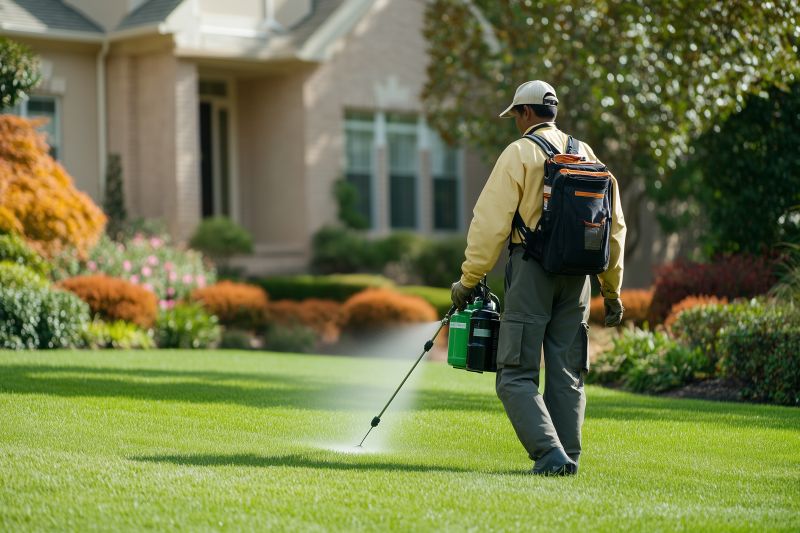
When comparing pest fumigation service providers, it’s important to consider their experience with similar projects, especially those involving the most common pests that require fumigation. A contractor’s familiarity with handling infestations like termites, bed bugs, or wood-boring beetles can indicate their ability to effectively address the specific challenges of your situation. Inquiring about their past work with comparable pests can help ensure that they understand the nuances of different infestations and have a proven track record of successful treatments.
Clear written expectations are essential when selecting a service provider for pest fumigation. This includes understanding the scope of work, what the treatment process entails, and any preparations or follow-up actions required. A reputable contractor should be able to provide detailed information about what to expect during and after the fumigation process. Having this clarity helps prevent misunderstandings and ensures that both parties are aligned on the goals and procedures involved in eliminating the pests.
Reputable references and good communication are key factors to consider when evaluating local contractors. References from previous clients can offer insights into the contractor’s reliability, professionalism, and effectiveness in handling pest infestations similar to yours. Additionally, a service provider who maintains open, transparent communication can make the process smoother and more manageable. They should be responsive to questions, able to explain treatment options clearly, and willing to address any concerns throughout the project, helping to build confidence in their ability to deliver quality pest fumigation services.
Property owners often search for the most common pests that require fumigation when they are planning practical projects around their homes and businesses. Local pros provide Pest Fumigation services for everyday jobs and straightforward project options.
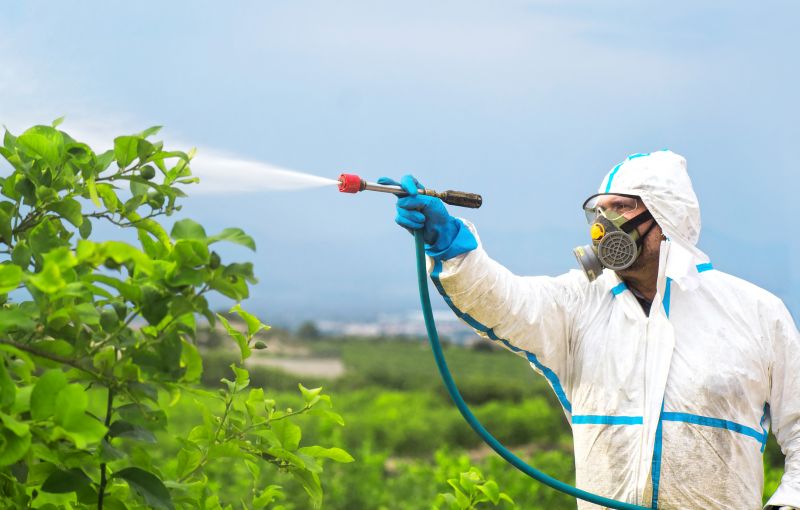
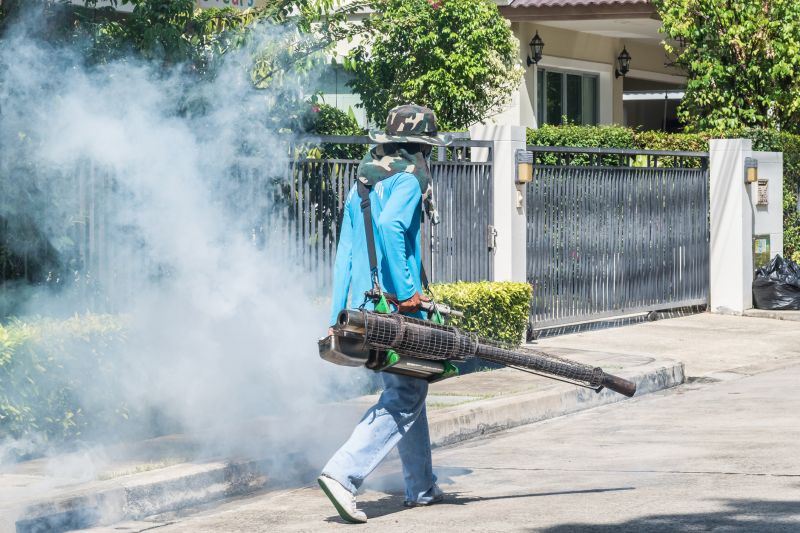
Property owners in the area often find themselves researching common pests that require fumigation when they notice signs of infestation in their homes or businesses. Termites, for example, are one of the most prevalent pests that can cause significant structural damage if left untreated. Additionally, bed bugs tend to become a concern after travel or overnight stays, prompting many to seek professional fumigation services. These pests are typically difficult to eliminate with DIY methods, making it important to connect with local contractors who specialize in effective pest control solutions.
Other common pests that require fumigation include certain types of cockroaches and wood-boring beetles, which can quickly spread and compromise the integrity of a property. Property owners may look up this topic after noticing unusual damage or an increase in pest activity. Local service providers are equipped to handle these infestations efficiently, helping to restore comfort and protect property value. Consulting experienced pest control experts can provide peace of mind and ensure the problem is addressed thoroughly.
What are the most common pests that require fumigation? The most common pests that require fumigation include termites, bed bugs, cockroaches, fleas, and certain types of beetles. Local contractors can provide effective treatment options for these pests to protect homes and businesses.
Why is fumigation necessary for some pests? Fumigation is often necessary when pests have infested hard-to-reach areas or have become resistant to other treatment methods. Local service providers can identify when fumigation is the best solution for controlling these pests.
How do local pros handle pest infestations that require fumigation? Local contractors typically assess the severity of the infestation, prepare the site, and execute a targeted fumigation process to eliminate pests efficiently and safely.
Are there specific pests that are more likely to require fumigation in certain environments? Yes, pests like termites are common in wooden structures, while bed bugs are often found in bedding and furniture. Local pros can determine the most effective treatment based on the pest and environment.
Can fumigation be used for pests other than insects? Fumigation is primarily used for insect pests such as termites and bed bugs; it is generally not used for rodents or other larger pests. Local service providers can recommend the best approach for different pest types.
Identifying Infestation Signs - Property owners can learn to spot early indicators of pests that require fumigation, such as droppings or damage, and seek help from local contractors to address the problem promptly.
Preparing Spaces for Treatment - Homeowners can clear clutter and secure food items to ensure effective fumigation services by local pros, reducing barriers to treatment.
Choosing the Right Pest Control Strategy - Understanding which pests are most common can help property owners discuss targeted fumigation options with local service providers for better results.
Preventing Future Infestations - Implementing simple maintenance steps, like sealing entry points, can assist in preventing re-infestations after fumigation by local experts.
If you are thinking about the most common pests that require fumigation for a property, this guide is meant to help you understand this topic, the typical project types, and how different options might fit your plans.
When you are ready, you can use the quote form on this page to share a few details about your project. From there, local pros can review the basics and follow up with options that match what you have in mind.